Symptoms of the Perimenopause
Menopausal symptoms due to lowering oestrogen levels.
Erratic bleeding patterns and menstrual cycles due to fluctuating hormonal levels. Vasomotor symptoms are believed to represent a complex interplay between central and peripheral physiological mechanisms. It is thought that perimenopausal women may experience a narrowing of the thermoregulatory-neutral zone (the body’s thermostat).
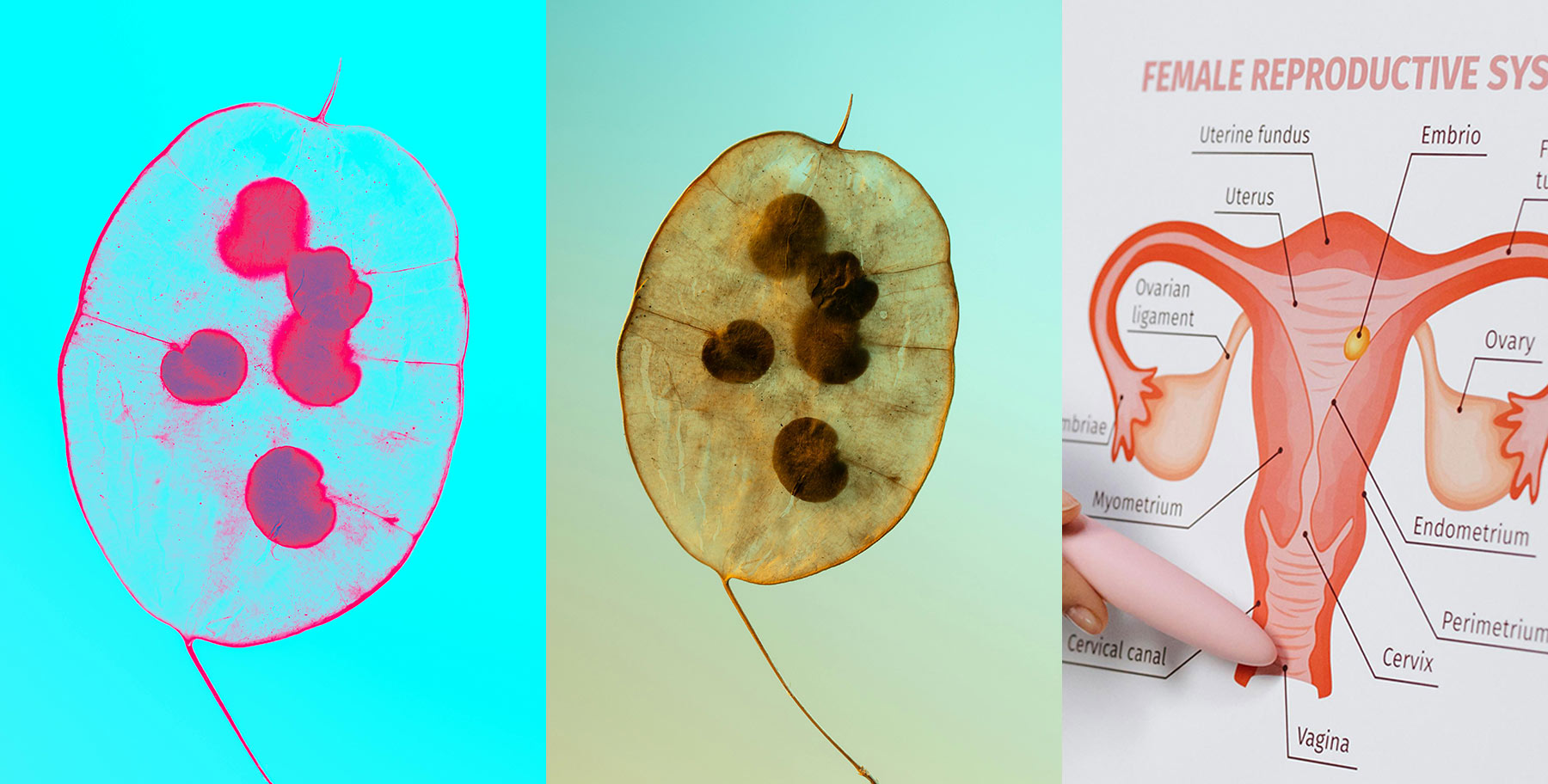 Menopause
This is the loss of ovarian follicular function. It marks the end of reproductive life and cessation of menstruation.
Menopause is a retrospective diagnosis, defined as:
1 year of amenorrhoea in over 50 year olds OR
2 years of amenorrhoea in over 40 years (amenorrhoea/perimenopausal symptoms under 40 years need investigating to rule out premature ovarian insufficiency).
May be attributable to oestrogen deficiency in combination with age and other factors. Symptoms typically begin in the perimenopause and last around 2–7 years, although can continue for up to 15 years.

Physical Symptoms include hot flushes and night sweats (affect around 75% of women). Joint and muscle pains. Palpitations. Skin/hair changes. Weight gain.
Psychological Symptoms include sleep disturbance. Tiredness and lack of energy. Mood changes and irritability. Anxiety. Cognitive disturbance (‘brain fog’).
Gynaecological Symptoms include Menstrual irregularities. Vaginal dryness and dyspareunia. Loss of libido/sexual dysfunction. Urinary problems/incontinence. Uterovaginal prolapse.
Surgical Menopause
This is when you surgically remove the ovaries as part of a total hysterectomy ( Removal of the Uterus) . This can lead to sudden onset menopause which can be frightening if not explained before hand.
Menopause after cancer treatment
After chemo or radiotherapy the ovaries may be damaged or shut down earlier than usual and can push women into menopause.
Premature Ovarian Insufficiency (Menopause Under 40)
Previously referred to as premature menopause/ovarian failure.
Menopause under the age of 40 years.
Associated with increased risk of osteoporosis and cardiovascular disease. HRT is recommended for these women.

Early menopause (between 40-45)
Menopause occurring between age 40 years and 45 years.
Bleeding on HRT
This can be common in the first few months of initiation. Finding the right HRT for the patient can be complex. A detailed history and examination can help in ensuring the best path forwards in dealing with this.
Intolerance to Progesterone’s
There are different ways to give the required progesterone but some women may have sensitivities and intolerance to progesterone . There are other alternative medications that can be tried.
Patient’s already on HRT wanting further information
A consultation to check if the HRT is optimised or needs alteration . Any questions or queries about HRT will be answered.
Testosterone prescribing and monitoring
Women also need testosterone to help with certain aspects of sexual health. When managing loss of libido and deciding whether to prescribe testosterone, it can feel tricky to tread the tightrope between the evidence we have and the media representation of that evidence/what women have been primed to expect. My approach is that all women with concerns about menopausal symptoms should be taken seriously and be assessed in a holistic manner. A shared decision about suitable management options should be made based on the evidence we have available
Treating patients with complex medical or gynaecological histories
Patients with complex medical or gynaecological histories need more time for a thorough discussion to balance the pros and cons of treatment. Not all patients will need HRT but they all need a holistic approach to find a person specific treatment option which will be bespoke.
Migraines and HRT
Migraines are common problem I encounter as a GP and there are clear plans on how to deal with them. In menopausal women though this needs a different approach which takes into account their medication needs after a in depth consultation.
Bone health and osteoporosis

One of the downsides of menopause is the loss of bone density and one of the Positives of HRT is stopping this from happening. There are other factors which also play a role in keeping bones strong which need discussion.
Alternatives to HRT
Some times due to previous history of cancer some women may not be eligible for HRT. I would approach this again from holistic point and try to isolate the root of the symptoms. There are non hormonal options which can be tried in some instances.
Vaginal or bladder problems during the menopause
I see a lot of women in their 70’s who come with bladder or vaginal issues but have never been examined. They accept it as part of ageing. I offer a thorough examination with plans to treat symptoms to improve the quality of life. Examination may reveal a prolapse which may be a cause of the symptoms and this is treatable


 These are some of the key ways I can help you.